About
I build the thing that gets a stuck room moving. Then I write down why it worked, so the room doesn't get stuck again.
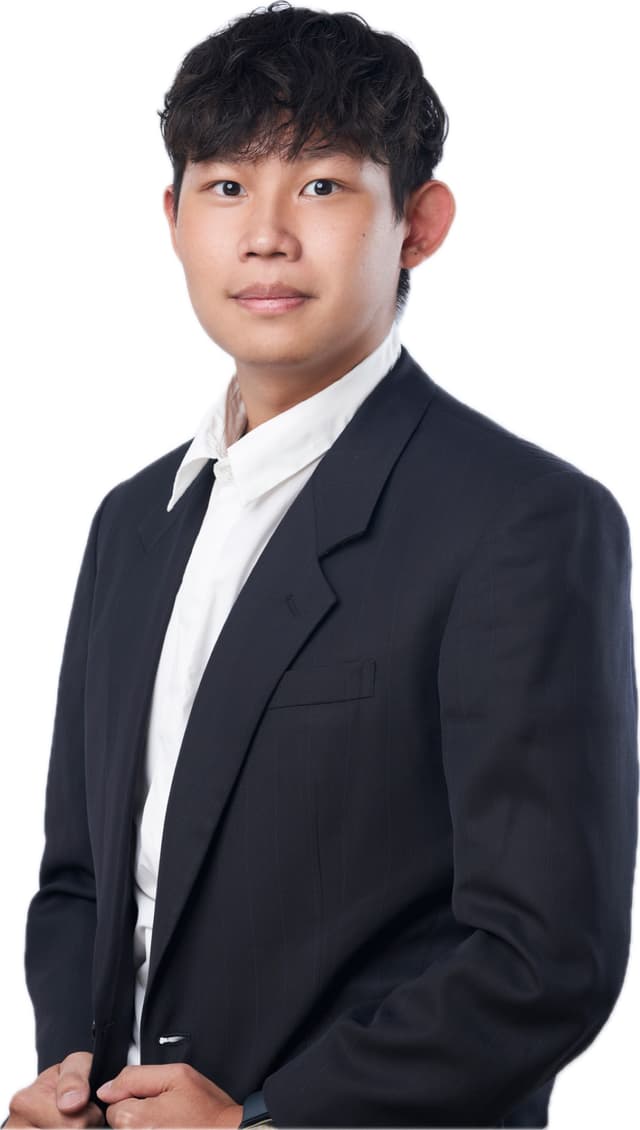
I’m Yan-Ming (Hugo) Huang, an MSBA candidate at UC Irvine, graduating in 2027. I’m looking for Data Analyst and Business Analyst/BI roles, with a plan that starts in the US and moves back toward Taiwan and East Asia after a couple of years. I’ve spent the last several years working across Japanese, Korean, Greater China, and US markets, mostly in English.
Before any of that, I taught robotics to elementary schoolers for two and a half years, and once had to convert an entire five-day workshop for 36 kids into an async online program in under a month when COVID hit, three weeks before it was supposed to run in person. I captained NTNU’s men’s volleyball team.
Then, over the next two years, I kept landing in the same kind of situation in very different rooms: a five-person research team that couldn’t agree who they were even building for, a two-person team suddenly responsible for redesigning a platform used by a couple hundred thousand students a year, a rotating cast of interns who needed the same explanation more than once a week.
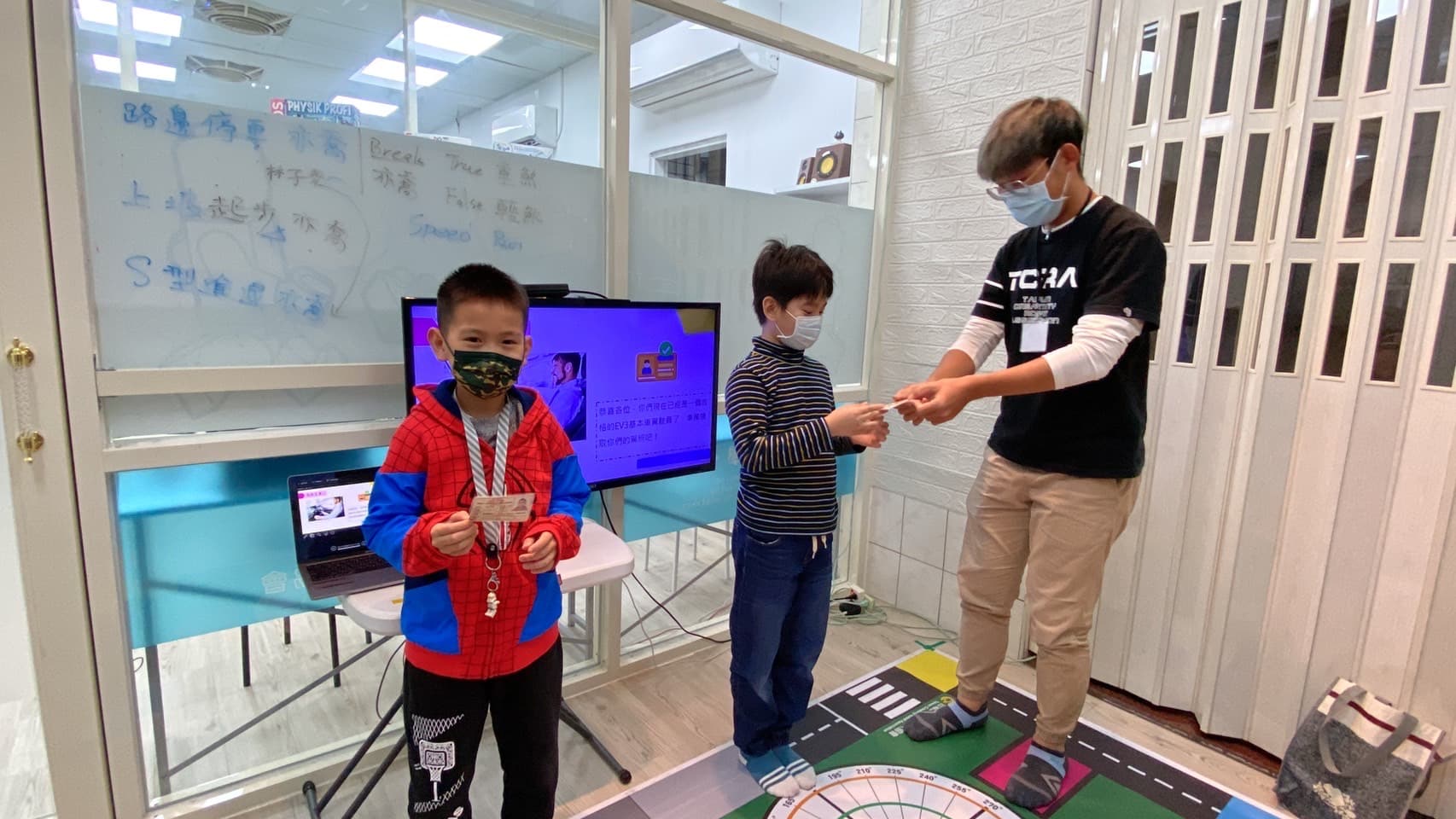
Robotics teacher
Taught robotics to elementary schoolers for two and a half years — rebuilt a five-day, 36-kid workshop into an async program in under a month when COVID hit.

Volleyball captain
Captained NTNU's men's volleyball team.
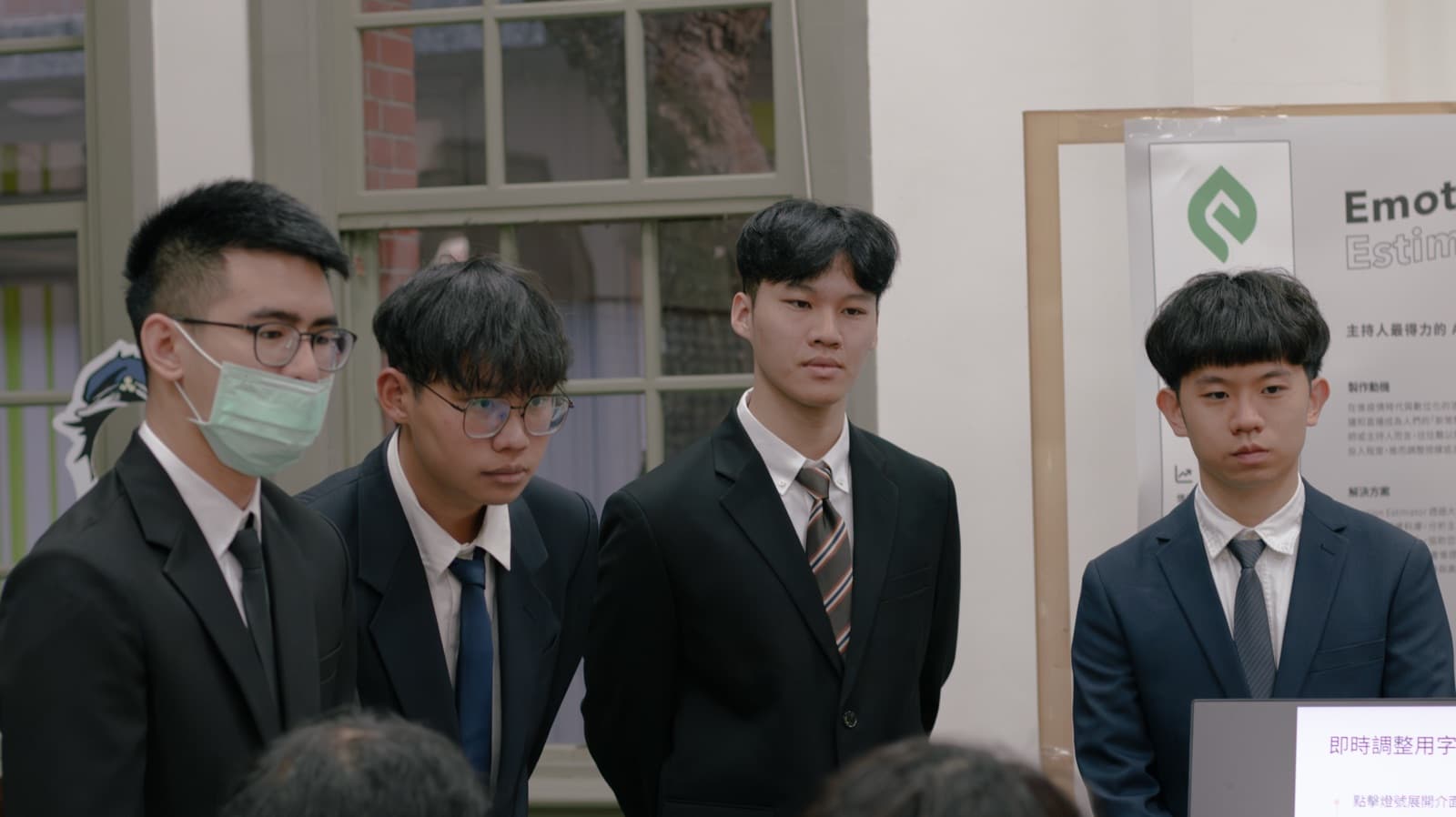
Research team
Five-person research team that couldn't agree who they were even building for.
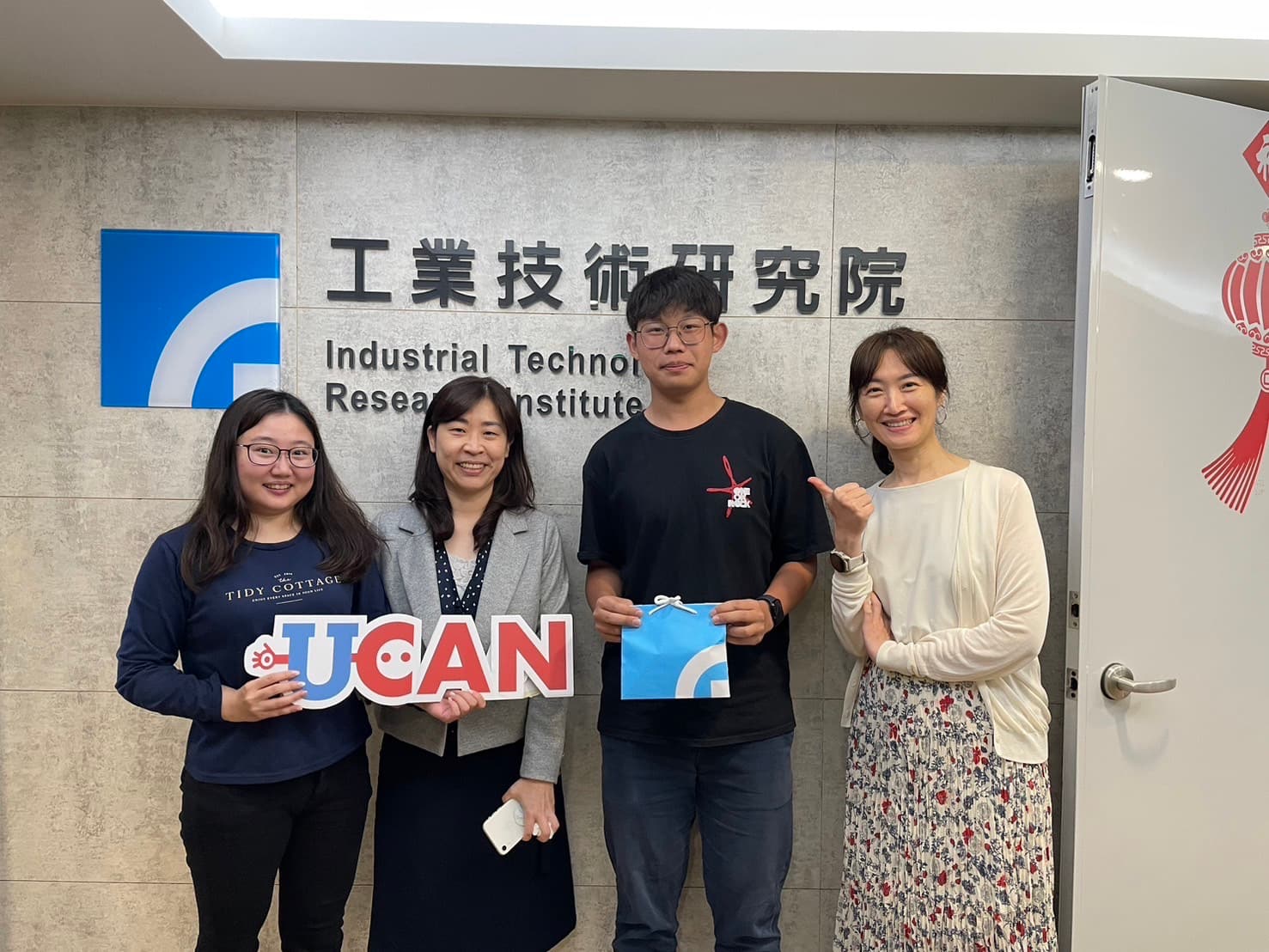
Platform redesign
Two-person team suddenly responsible for redesigning a platform used by a couple hundred thousand students a year.
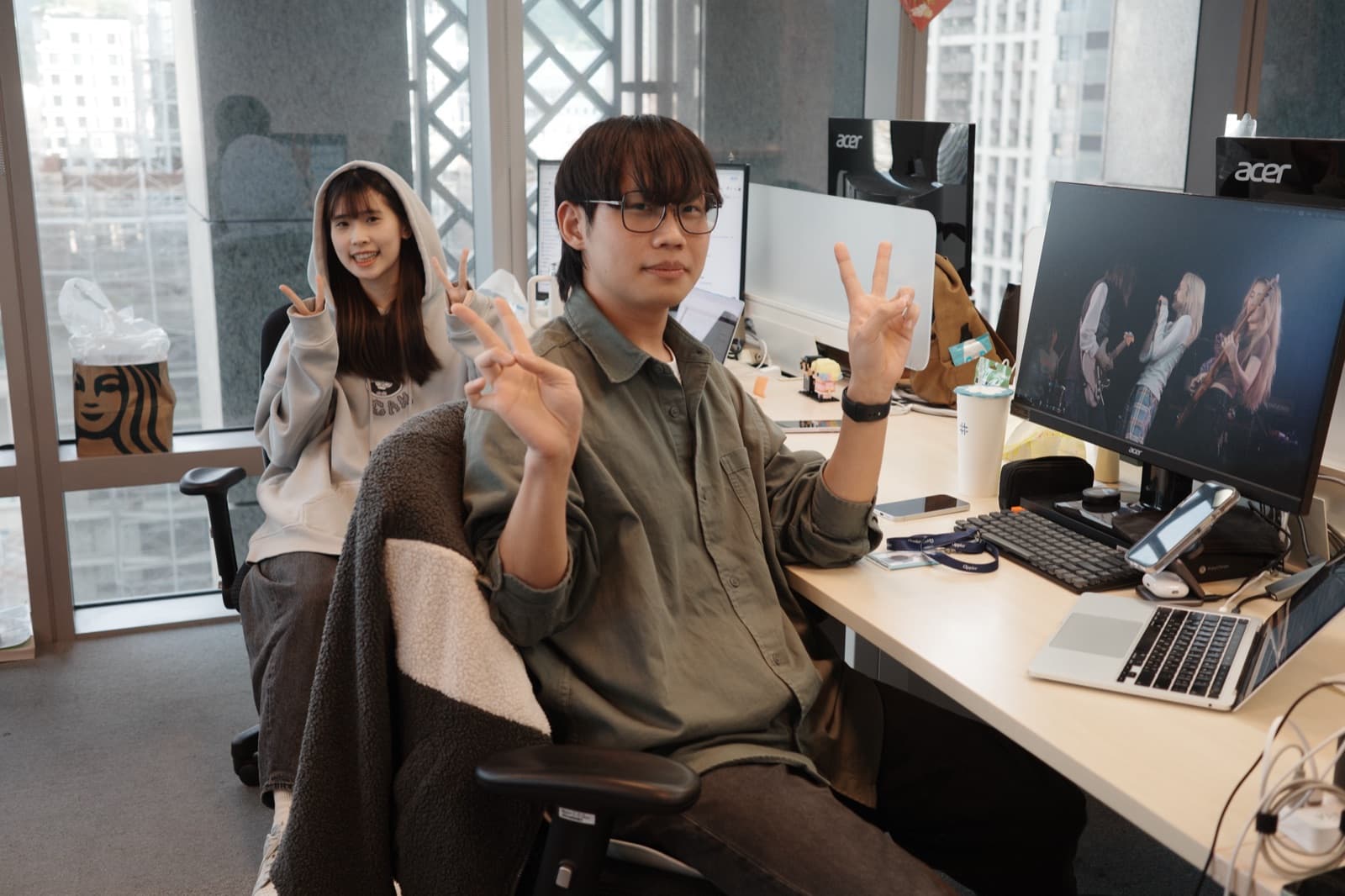
Intern mentor
A rotating cast of interns who needed the same explanation more than once a week.
Those roles told me I had a specific strength: turning a mess into something a group could act on. What turned that strength into a specific direction was a book, not a job.
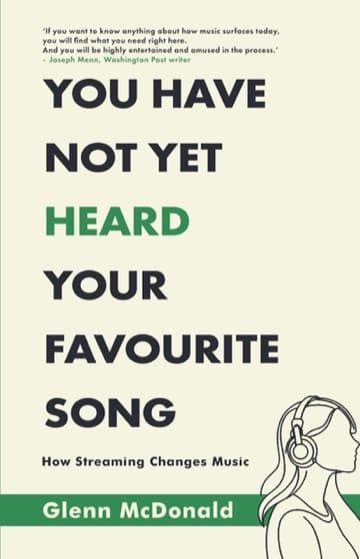
That’s what sent me toward an MSBA instead of just continuing to be the person who happens to be useful in a room.
What actually got each of those rooms unstuck wasn’t a better argument. It was building the concrete thing that let people react to something real instead of arguing about something abstract: a wireframe, a diagnostic checklist, a facilitation exercise that forced two people to argue from positions they didn’t hold. I don’t naturally take over a room and I’m not going to pretend otherwise. What I do is build what the room actually needs so it stops being stuck. The case studies on this site are where that shows up in detail, not here.
I’d rather tell you what I don’t know than round a number to make a slide look cleaner. Every case study here has a Limitations section, and I write those before I write the recommendation, not after. If a number is a guess, it says so on the page. If I didn’t measure something, it doesn’t become the headline. That’s not modesty. It’s the only way a claim survives someone asking a follow-up question.
I also write a Substack newsletter, mostly in Traditional Chinese: notes on street food and small eats as a foodie, plus music, life, and the sports I follow. It’s not about work. Substack’s translation holds up well enough that English speakers are welcome to poke around anyway.
Three projects, each with a Limitations section written before the recommendation. The specifics live there, not here.
The traditional version, covering both the Data Analyst and Business Analyst/BI tracks.
The same three case studies, condensed to one line each, plus a faster read on how I work.